
Photography guide
Astrophotography in the Maldives: Shooting the Night Sky
By IM Studio · Updated · 2 min read
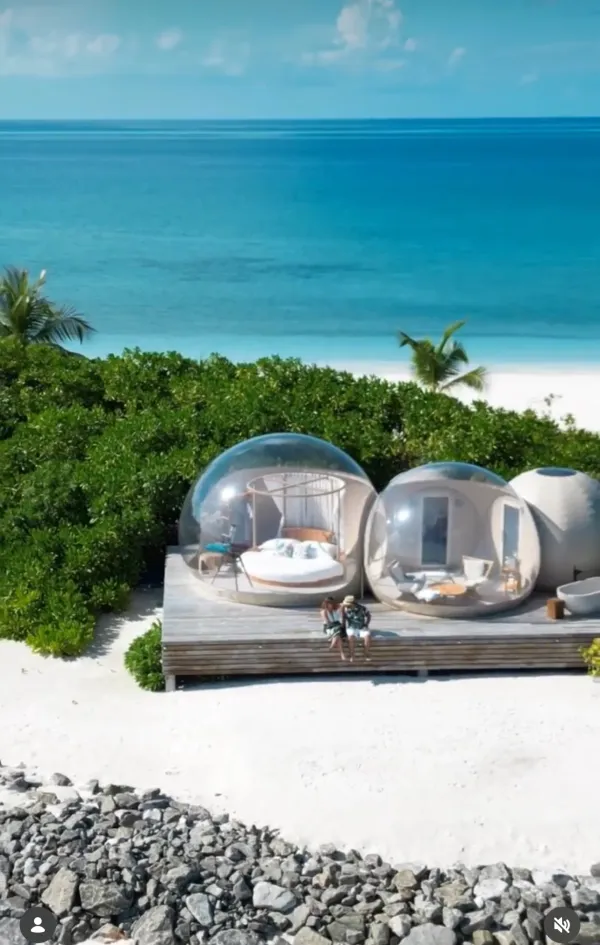
Far from big cities and surrounded by open ocean, many Maldivian islands have exceptionally dark skies. On a clear, moonless night the stars reach right down to the horizon, and the reflection on calm lagoon water doubles the effect.
When to go
- Moon phase matters most. Plan around the new moon. A bright moon washes out faint stars for much of the night.
- Clear skies. The drier months, roughly January to April, generally offer more cloud-free nights. Wetter months can still produce clear spells between showers.
- Milky Way core. The brightest part of the galaxy is visible for more of the night in the middle months of the year. Check a stargazing app for the dates of your trip.
Where it’s darkest
Light pollution comes from Malé, the airport and brightly lit resort walkways. More remote atolls and islands with low, warm lighting are better. A beach or jetty facing away from the main resort buildings makes a big difference, so ask the resort team which spots get darkest.
Settings to start from
- Widest aperture your lens allows
- Shutter around 15 to 20 seconds on a wide lens, so stars don’t trail
- ISO 1600 to 6400, depending on your camera’s noise
- Manual focus set on a bright star using live view magnification
Gear checklist
- Tripod, which is non-negotiable
- Wide, fast lens
- Remote release or the camera’s self-timer
- Red-light head torch, which protects your night vision
- Silica gel and a lens cloth, because humidity and dew fog lenses quickly
Mind the humidity
Moving gear from an air-conditioned room into warm night air fogs lenses instantly. Take your camera bag outside 20 to 30 minutes before you start so it can adjust.